Illinois Delegation Explores Germany’s Transit Association Model
December 18, 2024
From December 8–12, 2024, a delegation of 25 participants, including Illinois legislators, labor representatives, environmental advocates, and transit officials, traveled to Germany to study Germany’s transport association model and identify strategies to improve transit in the Chicago region.
Headquarters
Laguna Niguel, CA 92677
Mailing Address:
901 H St., Suite 120, PMB 328
Sacramento, CA 95814

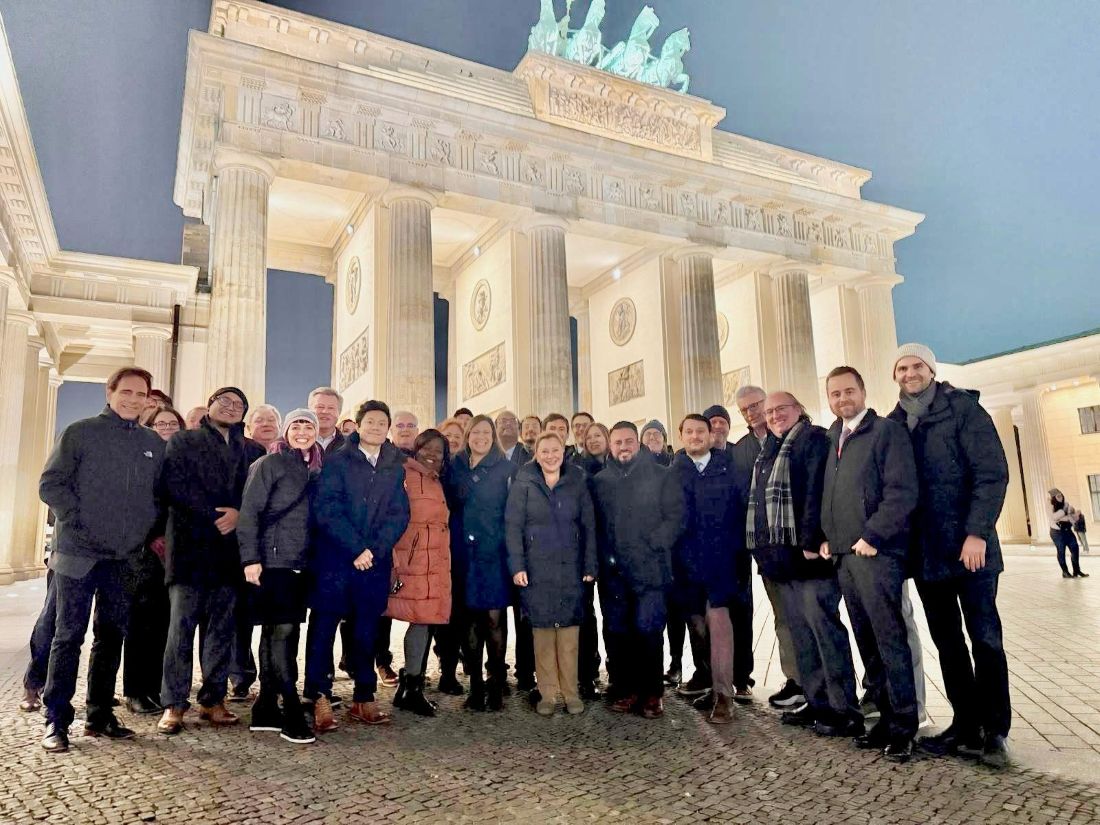
Delegation group photo at Brandenburger Gate in Berlin by night
The visit came in response to the significant challenges facing Illinois’ public transit where ridership remains below pre-pandemic levels, and the agency faces a $730 million budget deficit. The delegation was in search of potential solutions to improve Chicago’s fragmented transit system by examining Germany’s successful integration of urban, suburban, and regional transit networks. Germany’s regional transit associations synchronize operations, fares, and service planning, offering a compelling public transportation model. Germany’s systems prioritize seamless coordination, regional governance, and a customer-centric approach and integrates fare systems – principles that Illinois could adopt to enhance efficiency, sustainability, and the overall passenger experience.
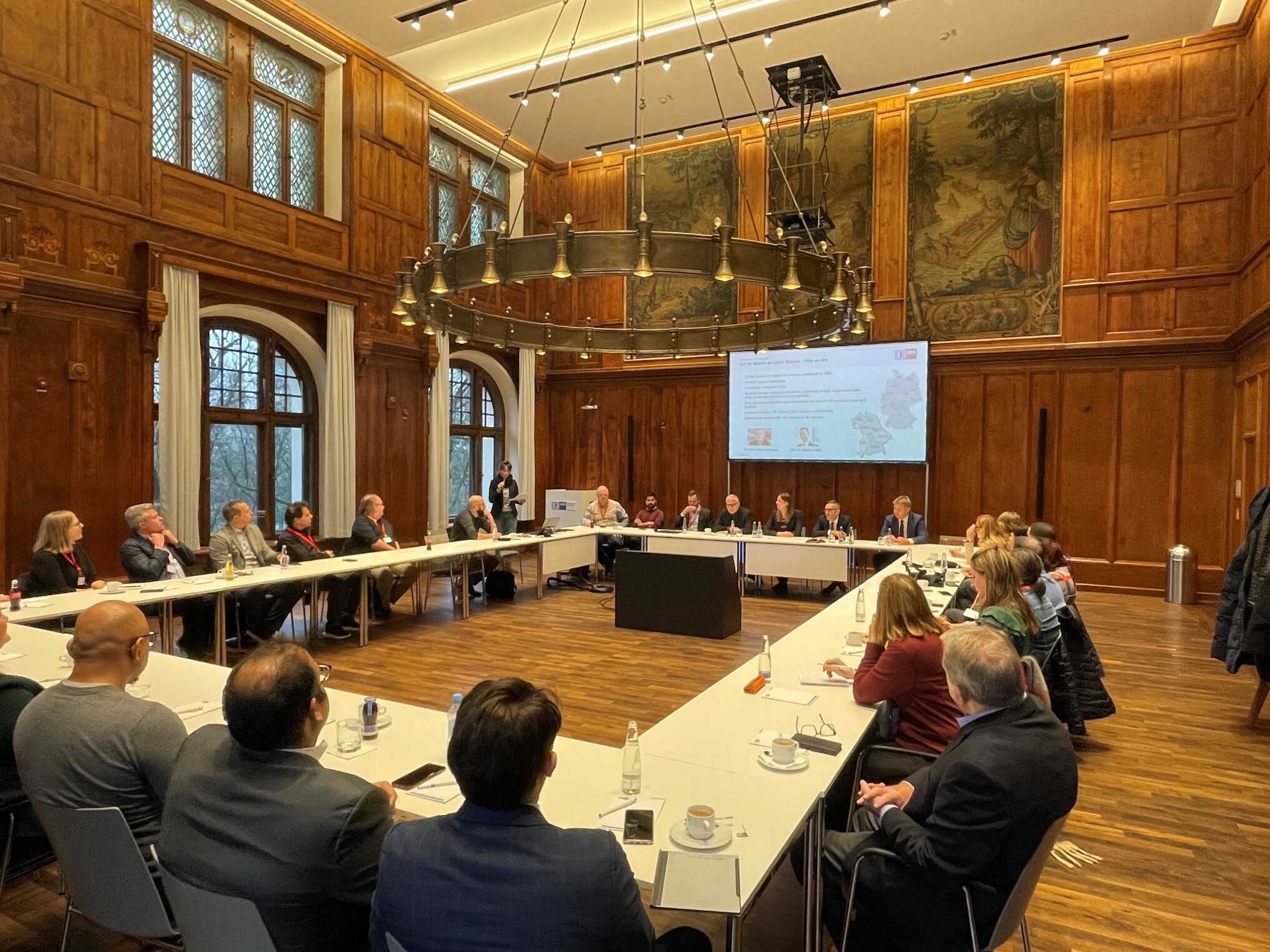
Round Table “Structure of Public Transport in Germany” focusing on Munich with experts from the Munich Transport and Tariff Association (MVV), S-Bahn Munich and the Bavarian State Ministry.
The delegation’s journey began in Munich, where attendees experienced transit-oriented mobility firsthand by traveling from the airport to their hotel via the S-Bahn network. This experience highlighted Munich’s integrated transit solutions. The delegation visited Munich’s Second Trunk Line project; a key infrastructure initiative aimed at increasing rail capacity in Munich. Munich’s Transport and Tariff Association (MVV) slogan “one network, one timetable, one ticket” highlights how Munich’s transit system and its customers benefit from a unified approach that balances the needs of urban and regional areas.
The trip also highlighted the importance of collaboration between transit development, environmental sustainability, and labor interests. Key representatives, such as Jennifer Walling of the Illinois Environmental Council and Marc Poulos of the International Union of Operating Engineers, emphasized the need to align on projects like thermal energy networks and infrastructure electrification.
Key Takeaways
The Illinois delegation came away from the trip with several key insights that could help address the challenges faced by the state’s transit systems:
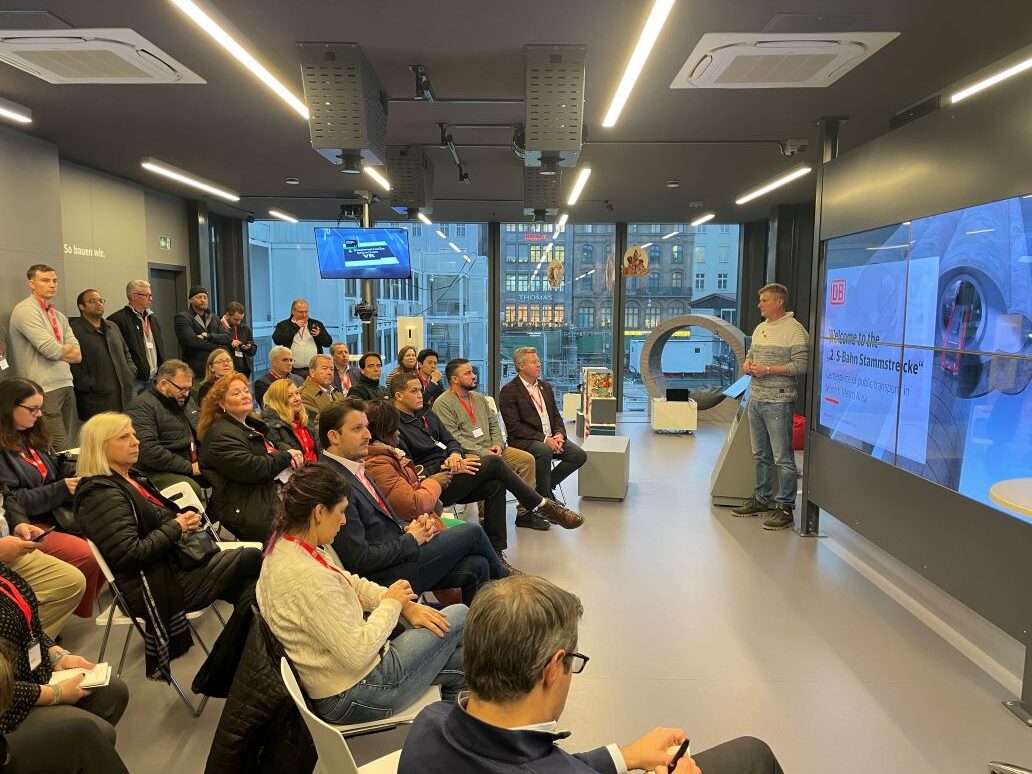
Insights of Munich’s Second Trunk Line Project 
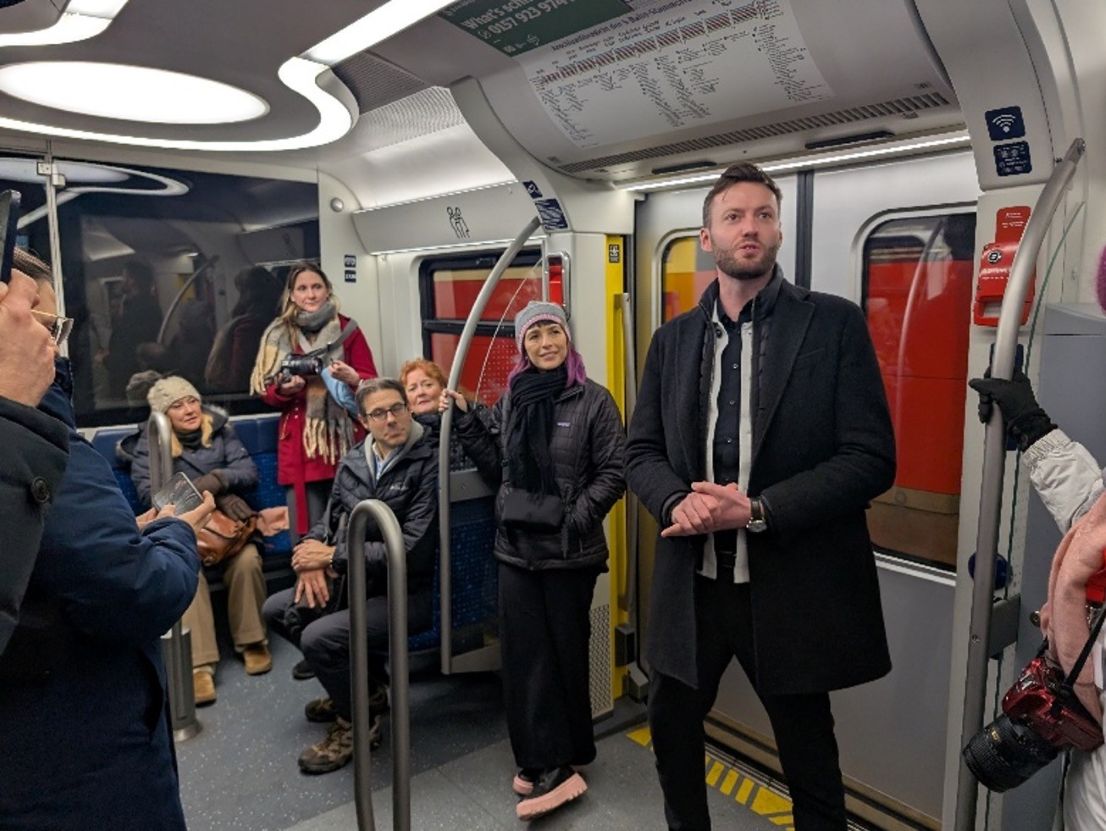
Attendees experienced transit-oriented mobility firsthand.
Governance and Integration: Germany’s regional transit associations streamline decision making and balance urban and regional needs. Illinois could greatly benefit from adopting a similar structure to mitigate the fragmentation caused by overlapping transit agencies, allowing for more effective coordination and planning.
Funding Models: In Germany, transit agencies fund about 40% of operations through fares, with the remainder supported by public funding, typically over multi-year periods. This stable funding model enables long-term planning and infrastructure investment.
Environmental Sustainability: Germany’s transit systems are built with sustainability in mind, and a safe, efficient, reliable transit network reduces highway emissions by supporting more “modeshift” from car trips to transit trips. Germany’s significant investments include electrified rail, hydrogen-powered trains, and integrated ticketing systems. Illinois could draw inspiration from these initiatives to modernize its transit infrastructure and reduce emissions. Additionally, Germany’s focus on reducing emissions aligns with global sustainability goals, something Illinois can integrate into its long-term transit strategy.
Customer-Centric Design: Germany places a strong emphasis on creating user-friendly experiences for transit riders, with a “one network, one timetable, one ticket” goal for transit operations. Intuitive mobile apps, user friendly systems, and accessible infrastructure contribute to high customer satisfaction. By adopting similar approaches, Illinois could attract more diverse riders and improve convenience for everyday commuters.

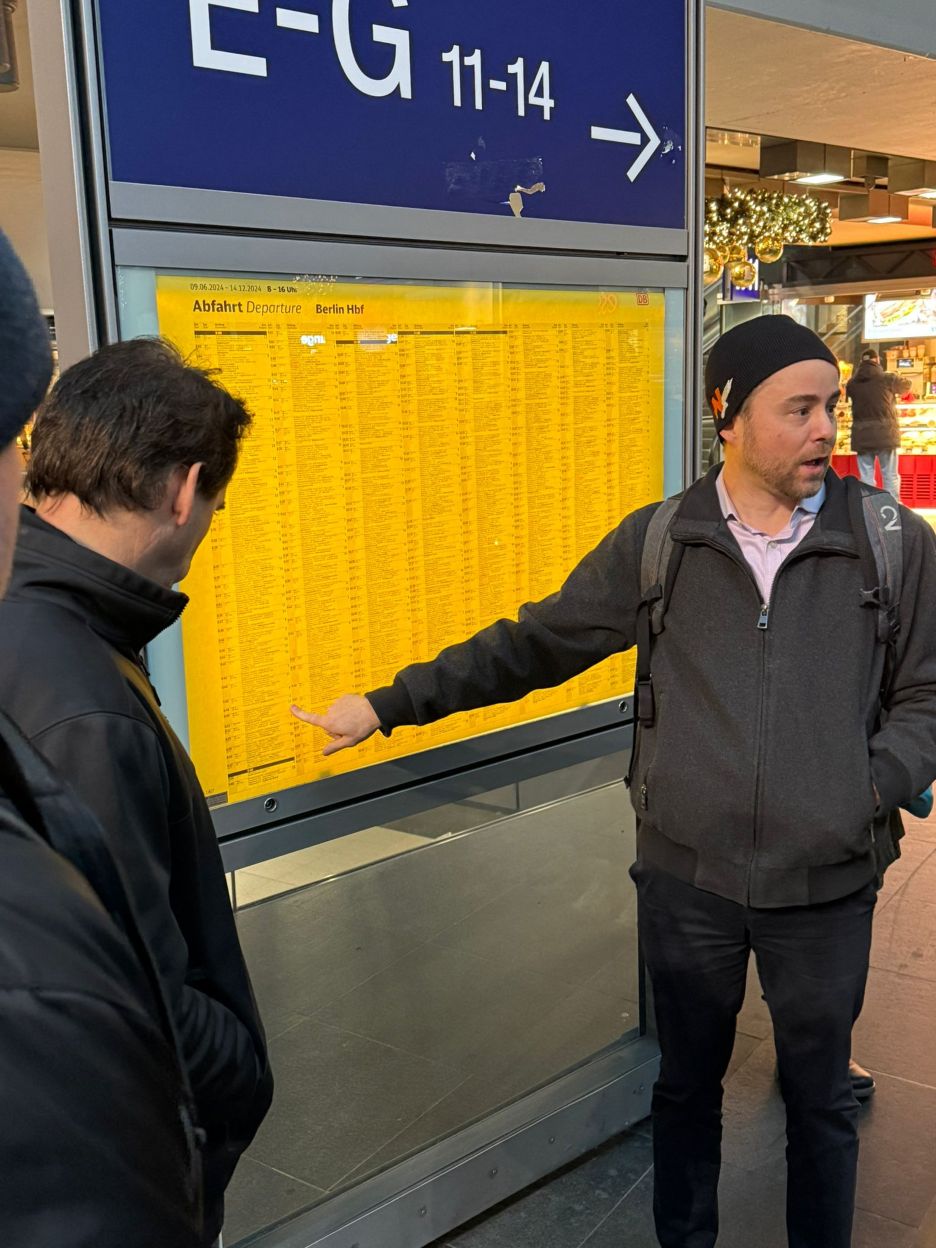
Paul Lewis, Principal DB E.C.O. North America presents the service schedules for planned arrivals and departures of various train types at Berlin Central Station
“This trip was not merely about observing best practices but about returning with transformative ideas
for Illinois’ transit and infrastructure.”
Tom Kotarac, Civil Comittee of the Commercial Club of Chicago
The Illinois Delegation Trip went beyond observing best practices; it served as a platform for meaningful transatlantic exchange and inspired participants to return with transformative ideas for advancing Illinois’ transit systems and infrastructure. DB E.C.O. North America extends its sincere thanks to all attendees and Deutsche Bahn colleagues for sharing their time, expertise, and insights throughout the week.